
Frequently Asked Questions
This course is ideal for certified yoga teachers, yoga practitioners, wellness professionals, and serious students who wish to specialize in Yoga Therapy.
Yes. The certification is recognized by Yoga Alliance International (India), World Yoga Federation (USA), and is ISO Certified. The training is aligned with YCB, Ministry of AYUSH, Government of India.
Yoga TTC focuses on teaching general yoga practices, while Yoga Therapy TTC focuses on disease-specific, therapeutic, and healing applications of yoga.
Yes. Participants receive a 300-Hour Yoga Therapy Teacher Training Certificate. On completion of both 200 & 300 hours, a combined 500-Hour Yoga TTC certificate is awarded.
Yes. The 500-Hour Yoga Teacher Training Course is recognized as equivalent to a One-Year Post Graduate Diploma in Yogic Studies & Yoga Therapy, awarded by Anandabodh Institute of Yoga (MSME-registered autonomous body).
Yes. Graduates are eligible to work as Yoga Therapy Teachers in hospitals, clinics, wellness centres, corporates, and private practice settings.
Yes. Eligible students may opt for a 6-month internship to gain practical therapeutic experience.
The course is conducted in Hybrid Mode (Online + Offline).
300 Hours Therapy Yoga Teacher Training Course
300-Hour Yoga Therapy Teacher Training Course
LEARN • PRACTISE • UNDERSTAND • TEACH • EMPOWER
Go beyond teaching Yoga. Learn to understand, observe, assess, adapt and guide Yoga therapeutically.
The 300-Hour Yoga Therapy Teacher Training Course at Anandabodh Institute of Yoga is an advanced professional training programme for yoga teachers, serious practitioners and wellness professionals who wish to develop a deeper understanding of Yoga Therapy and its application across physical, mental-emotional and lifestyle-related conditions.
WEBSITE HIGHLIGHT
80+ named conditions • Hybrid learning • Professional teaching development
ENQUIRE NOW • DOWNLOAD SYLLABUS • SPEAK TO ANANDABODH
The Anandabodh Intention
Our intention is to develop refined, high-quality and professionally responsible Yoga Therapy Teachers who do not merely know a list of diseases or practices, but understand, observe, assess, adapt, communicate and guide with clarity, compassion and integrity.
Is This Course for You?
- Certified yoga teachers who want to specialize in Yoga Therapy
- Experienced yoga practitioners seeking deeper therapeutic understanding
- Wellness professionals and allied practitioners who wish to integrate appropriate yogic tools into their work
- Teachers who want to become more confident in adapting practices for individual needs
- Serious students who want to understand disease-specific applications rather than follow generic routines
- Practitioners progressing from the 200-Hour Yoga Teacher Training pathway toward advanced Yoga Therapy education
What Makes the Anandabodh Approach Different?
- A broad therapeutic spectrum covering 80+ named conditions and clinical/special-population presentations
- Integration of Yoga philosophy, anatomy, physiology, breath, movement, relaxation, meditation, diet and lifestyle
- Repeated practical exposure to asana, pranayama, mudra, bandha, shatkarma, Yoga Nidra and meditation
- Disease-specific therapeutic thinking rather than one fixed routine for everyone
- Continuous teaching practice, peer correction, participant-led sessions and feedback
- Development of professional communication, observation, adaptation and case-based thinking
- A strong emphasis on personal practice alongside professional competence
The Anandabodh Learning Journey
| FROM | TO |
|---|---|
| Knowledge | Understanding |
| Practice | Experience |
| Observation | Assessment |
| Selection | Adaptation |
| Demonstration | Guided teaching |
| Feedback | Refinement |
| Training | Professional readiness |
Programme at a Glance
| PROGRAMME ELEMENT | DETAIL |
|---|---|
| Training | 300 Hours |
| Mode | Hybrid — Online & Offline |
| Language | Hindi & English |
| Therapeutic breadth | 80+ named conditions |
| Learning model | Daily lived morning practice + weekend study + progressive teaching practicum |
| Core outcome | Confident, responsible Yoga Therapy teaching capability |
| Course fee | INR 69,000 — subject to current batch confirmation |
What You Will Study
Paper I — Foundations of Yoga Therapy
Module 1: Introduction to Yoga Therapy
- Definition, history, principles, and scope of Yoga Therapy
- Difference between general Yoga and therapeutic Yoga
- Understanding the difference between Competitive Yoga vs. Therapeutic Yoga
- Research and scientific evidence supporting Yoga Therapy
- Concept of Yoga and Health in Indian Traditional Systems of Medicine i.e. Ayurveda, and Naturopathy, utility and limitations of these systems in relation to Yoga and health
- Concepts of Tridosha, Pancha-mahabhutas, Trigunas, Pancha-prana and Pancha Koshas
- Nature Cure and its basic principles
- Role of yogic positive attitudes (Maitri, Karuna, Mudita and Upeksha) for healthy living; Bhavas, Bhavanas and Pratipaksha Bhavana
- Concept of Aahara, Vihara, Aachara and Vichara
- Yogic concept of health; Adhi and Vyadhi
- Role of Yoga in preventive, promotive and curative healthcare
- Objectives of the Therapy Yoga TTC for participants and the course in the context of the current world
- Causes of imbalance and disease as per Yoga
- The yogic view of disease, healing and health
- Core therapeutic principles in yogic healing
- Transference and counter-transference in Yoga Therapy and healing
INTENDED PROFESSIONAL CAPABILITY
Participants begin to think therapeutically: understanding the person, the yogic model of health/disease, and the purpose of Yoga Therapy.
Module 2: Yoga Philosophy & Psychology
- Study of Classical Yoga Texts: Yoga Sutras, Bhagavad Gita and Hatha Yoga Pradipika in relation to therapy and general health and wellbeing
- Self-awareness and mental-emotional regulation
- Yogic principles of holistic health and wellbeing
- Pancha Prana and Antahkarana — Manas, Buddhi, Chitta and Ahamkara — in relation to mind management and therapeutic understanding
- Connecting classical teachings with stress, disease, healing and personal practice
INTENDED PROFESSIONAL CAPABILITY
Participants develop philosophical depth and the ability to connect classical yogic concepts with mental-emotional regulation and therapeutic work.
Module 3: Anatomy & Physiology for Yoga Therapy
- Human anatomy relevant to Yoga Therapy
- Understanding physiological systems and their relevance to health
- Common health conditions and their anatomical implications
- Spinal structure and function in relation to cervical spondylosis, stenosis, scoliosis, slipped disc/sciatica and other musculoskeletal presentations
- Anatomical implications of arthritis, frozen shoulder, knee problems and fibromyalgia
- Physiology as a basis for understanding disease presentation, tolerance, contraindications and appropriate selection of practices
INTENDED PROFESSIONAL CAPABILITY
Participants learn to connect anatomy and physiology with movement, symptoms, safety and therapeutic decision-making.
Module 4: Asana Mastery & Therapeutic Alignment
- Detailed study of asanas for different therapeutic applications
- Modifications and contraindications for specific health conditions
- Structural alignment, breath coordination and hands-on adjustments
- Surya Namaskar as a complete yogic sadhana and its therapeutic value
- Regular basic/general and advanced asana practice to build a shared practical vocabulary
- Standing, balancing, forward-bending, backward-bending, relaxation, spinal/twisting and meditation-related groups, with benefits, contraindications and therapeutic applications
- Condition-specific variations for spinal disorders, knee problems, frozen shoulder, fibromyalgia and other therapeutic contexts
- Repeated corrections and pair/group practice to develop observation, demonstration and safe adjustment skills
INTENDED PROFESSIONAL CAPABILITY
Participants develop a refined practical vocabulary and the ability to modify, sequence and teach asana safely.
Module 5: Pranayama & Its Application in Disease Management
- Advanced pranayama techniques and their therapeutic benefits
- Breath awareness in healing and energy balance
- Pranayama for stress, anxiety, depression, sleep disorders, respiratory conditions and other ailments
- Science of breath regulation and nervous-system control
- Swara Yoga: left-right nostril breathing, active Swara, breath length and cycle, balancing and regulating the breath
- Swara Yoga in therapeutic applications
- Stage-wise revision of practices including Bhramari, Kapalabhati, Sheetkari/Sheetali, Bhastrika, Nadi Shodhana and other practices recorded in the course plan
- One-to-one pranayama instruction and individual adaptation
INTENDED PROFESSIONAL CAPABILITY
Participants learn to teach breath practices with observation, individual instruction, stage-wise progression and therapeutic reasoning.
Module 6: Mudras, Bandhas & Chakras in Yoga Therapy
- Understanding the role of mudras in healing and Yoga Therapy
- Therapeutic applications of hand mudras
- All five categories/types of mudras and their therapeutic value and significance
- Bandhas in Yoga Therapy: energy regulation and healing
- All three Bandhas and Mahabandha, with therapeutic significance and appropriate application
- Chakra balancing and its role in emotional and physical healing
- Connection of prana and mudras through the Prana Vidya component
INTENDED PROFESSIONAL CAPABILITY
Participants understand mudra, bandha and chakra practices as part of an integrated therapeutic framework, with attention to appropriateness and safety.
Module 7: Yoga Nidra & Meditation for Therapy
- Yoga Nidra (Deep Relaxation Therapy) for healing, insomnia, trauma and mental-emotional disorders
- Kaya Sthairyam, Antar Mouna, Ajapa Japa (So-Ham), Pranav Dhyana (OM)
- Chidakash Dharana and Hridayakasha Dharana
- Chakra meditation, breath-awareness meditation and related practices
- Visualisation and guided imagery
- Meditation techniques for stress relief, focus, concentration and energy balance
- Participant-led Yoga Nidra and Antar Mouna sessions
INTENDED PROFESSIONAL CAPABILITY
Participants develop the capacity to guide deep relaxation, meditation and inner-observation practices with confidence and sensitivity.
Module 8: Detoxification & Cleansing Practices and Their Therapeutic Value
- Shatkarma: Jal Neti, Sutra Neti, Kunjal Kriya, Shankhaprakshalana and Trataka
- Role of cleansing techniques in healing and disease prevention
- Integration of these practices in a therapeutic Yoga routine
- Techniques, contraindications, therapeutic benefits and responsible selection
INTENDED PROFESSIONAL CAPABILITY
Participants understand cleansing practices, their therapeutic rationale, contraindications and responsible integration.
Paper II — Therapeutic & Practical Applications of Yoga + Teaching Methodology
Module 9: Therapeutic Approaches for Common Diseases
- Mental, Emotional & Psychological Disorders: Stress, panic attacks, anxiety, insomnia, sleep disorders, trauma, depression
- Head & Neck: short- and long-sightedness, myopia, hypermetropia, headache, migraine, thyroid disease
- Cardiovascular: heart and circulatory disorders, hypertension, hypotension, coronary artery disease, heart attack, heart failure, arrhythmias, stroke
- Joints & Musculoskeletal: arthritis, cervical spondylitis, back pain, slipped disc, sciatica, stenosis, scoliosis, frozen shoulder, fibromyalgia, knee pain, pain management
- Respiratory: respiratory disorders, common cold, bronchitis, eosinophilia/eosinophilic asthma, asthma, sinusitis, hay fever/allergic rhinitis, tonsillitis
- Digestive & Gastro-intestinal: digestive disorders, upper digestive disorders, GERD, hypersensitivity, peptic ulcer, constipation, colitis, acute gastro-enteritis, IBS, piles/hemorrhoids, anal fissure, malabsorption, diarrhoea, diabetes mellitus, hepatitis, obesity
- Uro-Genital & Reproductive: urogenital system, kidney problems, kidney stones, prolapse, urinary tract problems in women, menstrual disorders, leucorrhoea, vaginal infections, infertility in women, male reproductive disorders, sterility, impotence, prostatic disease, hernia
- Autoimmune Neurological & Neuromuscular: multiple sclerosis, myasthenia gravis, Guillain–Barré syndrome, CIDP, transverse myelitis, autoimmune encephalitis
- Skin, Vascular, Cancer & Sleep: psoriasis, eczema, acne, vitiligo, varicose veins, cancer, sleep apnea
- Disease-specific therapeutic reasoning: condition ? anatomy/physiology ? causes/risk factors ? symptoms ? contraindications ? therapeutic plan ? follow-up and prevention/recurrence prevention
- Designing personalised therapeutic Yoga programmes rather than applying a standard sequence to every individual
INTENDED PROFESSIONAL CAPABILITY
Participants learn to move from a disease name to a structured therapeutic plan: condition, anatomy, factors, symptoms, contraindications, practices, follow-up and prevention.
Module 10: Specialised Yoga Therapy Applications
- Prenatal and Postnatal Yoga, including preparation for conception, preparatory practices and trimester-wise asana guidelines
- Common pregnancy-related concerns and complications: morning sickness, oedema, toxaemia, backache, heartburn/acidity and related considerations
- Contraindications, post-natal programme and dietary/post-natal dietary recommendations
- Yoga for children and adolescents: ADHD, Autism Spectrum Disorder, learning disabilities (dyslexia, dysgraphia, dyscalculia), anxiety, stress and emotional/behavioural issues
- Yoga for elderly and age-related ailments: Parkinson’s, Alzheimer’s and dementia
- Stress management and Yoga as a cross-cutting specialized application
INTENDED PROFESSIONAL CAPABILITY
Participants learn to adapt Yoga Therapy for life stages and specialised populations rather than teaching a one-size-fits-all routine.
Module 11: Corporate Yoga, Office Yoga & Stress Management
- Office Yoga techniques for corporate professionals
- Stress-relief programmes for workplaces
- Designing customised Corporate Wellness Programmes
- Translating therapeutic principles into safe workplace and group formats
INTENDED PROFESSIONAL CAPABILITY
Participants learn to translate Yoga Therapy principles into professional workplace and corporate wellness settings.
Module 12: Stress Management Programmes
- Understanding stress physiology and psychology
- Meaning and definition of stress, types of stressors and stress-response patterns
- Stress–performance relationship and stress residing in the body
- Psychological stress, personality and stress, phases and intensity of stress disorders
- Pancha Kosha, Chakras, Adhishthana and Vairagya in the recorded stress-management framework
- Yoga-based techniques for resilience
- Guided relaxation and meditation for stress relief
- Customising stress-management programmes for individuals and groups
INTENDED PROFESSIONAL CAPABILITY
Participants understand stress as a multidimensional therapeutic issue and learn to build resilience-oriented programmes.
Module 13: Diet & Nutrition for Yoga Therapy
- Principles of Ayurveda and Yogic diet and nutrition
- Nutritional recommendations for health conditions
- Detoxification and mindful eating practices
- Trigunas: understanding the impact of food on mind and body
- Sattvic diet and its therapeutic importance
- Pregnancy and post-natal dietary recommendations within the broader therapeutic framework
INTENDED PROFESSIONAL CAPABILITY
Participants understand diet and lifestyle as supportive components of a broader therapeutic plan.
Module 14: Prana Vidya — Science of Energy Healing
- Understanding Prana (life-force energy)
- Techniques to manipulate and direct pranic energy
- Healing practices through breath and visualisation
- Distribution/transmission of energy, raising and distributing prana
- Prana and mudras
- Therapeutic touch and therapeutic application
- Connecting breath, visualisation and pranic practices with the wider therapeutic framework
INTENDED PROFESSIONAL CAPABILITY
Participants explore Prana Vidya within the course's integrative framework of breath, awareness, visualisation and therapeutic application.
Module 15: Applied Vedic Numerology in Yoga Therapy
- Core principles of Vedic Numerology
- Therapeutic connotations of each number
- Understanding the three core numbers
- Birth number, life path number, first-name number and total-name number
- Numerical harmony in Yoga practice — an integrative perspective
- Interpretation of the taught numbers within the specific course context
INTENDED PROFESSIONAL CAPABILITY
Participants learn the course's applied numerology framework and how to interpret the taught numbers within the specific context presented.
Module 16: Teaching Methodology & Professional Development
- Role and responsibilities of a Yoga Therapy Teacher
- How to structure and sequence a therapeutic Yoga class
- Techniques for student assessment and progress tracking
- Ethics, communication skills and client rapport building
- Conducting one-to-one and group therapy sessions
- Hands-on adjustments and modifications for different conditions
- Teaching in online mode: best practices and challenges
- Designing personalised Yoga Therapy programmes
- Building a professional career in Yoga Therapy
- Assignments after each module, practical demonstrations, teaching evaluation and final assessment
- Continuous practice in preparation, stillness, Om Shanti mantra, participant-led asana, pranayama, Yoga Nidra and Antar Mouna
- Peer corrections, pair/group work, one-to-one pranayama instruction and professional communication exercises
INTENDED PROFESSIONAL CAPABILITY
Participants progressively develop the confidence to observe, explain, demonstrate, adapt, teach, receive feedback and document therapeutic work.
Therapeutic Spectrum — 80+ Conditions
The programme covers a broad therapeutic spectrum of 80+ named conditions and clinical/special-population presentations. The integrated syllabus identifies 93 distinct conditions, disorders, symptoms or clinical/special-population presentations across the existing syllabus and recorded class-plan expansion. This number is a breadth indicator; it does not imply identical teaching hours for every condition.
| AREA | CONDITIONS |
|---|---|
| Mental, Emotional & Psychological Health | Stress; panic attacks; anxiety; insomnia; sleep disorders; trauma; depression; psychological stress; personality and stress |
| Head, Neck & Sensory | Short-sightedness; long-sightedness; myopia; hypermetropia; headache; migraine; thyroid disease |
| Cardiovascular & Metabolic | Hypertension; hypotension; coronary artery disease; heart attack; heart failure; arrhythmias; stroke; cardiovascular disease; cholesterol; diabetes mellitus; obesity |
| Musculoskeletal & Spinal | Arthritis; cervical spondylitis; back pain; slipped disc; sciatica; stenosis; scoliosis; frozen shoulder; fibromyalgia; knee pain; pain-related conditions |
| Respiratory & ENT | Common cold; bronchitis; eosinophilia; eosinophilic asthma; asthma; sinusitis; hay fever; allergic rhinitis; tonsillitis |
| Digestive & Gastro-intestinal | Upper digestive disorders; GERD; hypersensitivity; peptic ulcer; constipation; colitis; acute gastro-enteritis; IBS; piles/hemorrhoids; anal fissure; malabsorption; diarrhoea; hepatitis |
| Urogenital & Reproductive | Kidney problems; kidney stones; prolapse; urinary tract problems in women; menstrual disorders; leucorrhoea; vaginal infections; infertility in women; male reproductive disorders; sterility; impotence; prostatic disease; hernia |
| Autoimmune Neurological & Neuromuscular | Multiple sclerosis; myasthenia gravis; Guillain–Barré syndrome; CIDP; transverse myelitis; autoimmune encephalitis |
| Skin, Vascular, Cancer & Sleep | Psoriasis; eczema; acne; vitiligo; varicose veins; cancer; sleep apnea |
| Special Populations & Developmental Concerns | Pregnancy-related complications; ADHD; Autism Spectrum Disorder; dyslexia; dysgraphia; dyscalculia; Parkinson’s; Alzheimer’s; dementia |
THE THERAPEUTIC REASONING PRINCIPLE
The goal is not to memorise a long disease list. Participants are trained to ask: What is the condition? What anatomy and physiology are involved? What factors may contribute? What is the person experiencing? What should be avoided or modified? What combination of asana, pranayama, relaxation, meditation, lifestyle and diet is appropriate within the course framework? How will progress, tolerance and prevention be followed?
Specialized Populations
- Prenatal and postnatal Yoga, including selected common pregnancy-related complaints and considerations
- Yoga for children and adolescents, including ADHD, ASD, learning disabilities, anxiety, stress and emotional/behavioural concerns
- Yoga for elderly populations and age-related conditions such as Parkinson’s, Alzheimer’s and dementia
- Corporate professionals and workplace stress-management settings
- One-to-one and group therapeutic settings
Professional Readiness — How You Grow During the Course
1. Observe — Recognise the person, condition, symptoms, breath, movement, energy and emotional state.
2. Understand — Connect the presentation to anatomy, physiology, yogic concepts and therapeutic principles.
3. Select — Choose appropriate practices instead of applying a fixed routine to every person.
4. Adapt — Modify intensity, position, duration, breath and support according to need.
5. Guide — Communicate clearly, demonstrate safely and provide appropriate corrections and safety cues.
6. Reflect — Observe responses and identify what should be continued, modified or avoided.
7. Document & Teach — Build structured therapeutic session plans, explain rationale and communicate responsibly.
Teaching Practice Is Built Into the Training
Participants do not wait until the final examination to discover whether they can teach. Teaching capability is developed progressively through repeated practice, observation, feedback and refinement.
- Regular basic and advanced asana practice
- Participant-led pranayama and one-to-one instruction
- Peer practice, corrections and pair work
- Participant-led Yoga Nidra and Antar Mouna
- Short speaking and reflective exercises
- Therapeutic case discussions and presentations
- Feedback, refinement and repeated teaching
Assessment & Certification
Assessment is not limited to a final written examination. Participants are assessed progressively through practice, participation, assignments, demonstrations, teaching assignments, feedback, improvement and final assessment.
| ASSESSMENT COMPONENT | MARKS |
|---|---|
| Paper I — Yoga Therapy Foundations, Anatomy, Physiology & Yoga Techniques | 100 Marks |
| Paper II — Yogic Diet & Nutrition, Therapeutic & Practical Applications of Yoga & Teaching Methodology | 100 Marks |
| Paper III — Practical & Viva Voce | 100 Marks |
| Practical Knowledge — Demonstration of Asana, Pranayama, Mudra, Bandha, Meditation and other relevant Yoga techniques | 50 Marks |
| Viva Voce — Anatomy, Physiology, Therapeutic & Practical Applications of Yoga and Teaching Methodology | 50 Marks |
| TOTAL | 300 Marks |
Assessment also includes:
- Assignments after modules
- Practical demonstrations
- Teaching evaluation
- Theory assessment
- Practical and viva voce
- Final assessment and certification
Certification
Upon successful completion, participants receive the Yoga Teacher Certification from Anandabodh Institute of Yoga. recognized by:
- Yoga Alliance International India
- World Yoga Federation USA
- ISO-certified yoga certification
This course also prepares participants for the Yoga Certification Board (YCB) examination under the AYUSH department, Government of India. This recognition enhances global teaching opportunities and credibility in the field of yoga teaching as a professional.
Internship & Continued Professional Development
Eligible participants may have an opportunity for supervised internship experience after successful completion of the programme. The purpose is to move from classroom learning toward observation, documentation, case-based thinking and real teaching responsibility.
The programme also provides a pathway toward continued professional development and the combined 500-hour Yoga Teacher Training route for eligible Anandabodh students.
Who You Can Become
By the end of the programme, our aim is that you are not simply able to name diseases and practices. You are increasingly able to:
- Understand the therapeutic context
- Observe the individual
- Recognise contraindications and limitations
- Select appropriate yogic tools
- Adapt the practice safely
- Guide with clarity and confidence
- Explain the rationale behind your choices
- Document and refine a therapeutic plan
- Teach responsibly within your professional scope
Career & Professional Pathways
- Yoga Therapy teaching in appropriate wellness and therapeutic settings
- Wellness and corporate stress-management programmes
- One-to-one and group Yoga Therapy sessions
- Specialised Yoga programmes for selected populations
- Further study and professional development in Yoga, Yoga Therapy and related fields
- Progression through the Anandabodh 200 + 300-hour pathway, subject to programme and certification requirements
500-Hour Yoga TTC Pathway
Participants who successfully complete the Anandabodh 200-Hour Yoga Teacher Training Course and advance to complete the 300-Hour Yoga Therapy Teacher Training Course may progress toward the combined 500-hour pathway, subject to the programme and certification requirements applicable at the time.
Where approved by Anandabodh, the combined certification is described as equivalent to a One-Year Post Graduate Diploma in Yogic Studies & Therapy. The exact recognition wording should be published only as currently authorised.
The Anandabodh Promise
The goal is not simply to complete 300 hours. The goal is to understand what you are teaching, experience what you are teaching, learn to assess and adapt responsibly, and gradually develop the confidence to guide others with awareness, clarity and integrity.
- You will be encouraged to think like a therapist, not merely demonstrate like a performer.
- You will repeatedly practise, observe, receive correction and teach so that knowledge becomes usable skill.
- You will encounter a broad therapeutic spectrum — 80+ named conditions and clinical/special-population presentations — while learning that every person requires individual observation and adaptation.
- You will learn to connect Yoga philosophy, anatomy, physiology, breath, movement, relaxation, meditation, lifestyle and diet into an integrated therapeutic approach.
- You will be prepared to communicate professionally in one-to-one, group, online, corporate and specialised settings.
- You will leave with a foundation for continued learning through case observation, documentation, supervised practice and internship.
HEAL • GROW • LEARN • TEACH • SERVE
Join the Anandabodh 300-Hour Yoga Therapy Teacher Training Course and deepen your ability to understand, practice, adapt and teach Yoga therapeutically.
A Gentle first Step
-
01
Swara Clock
Which nostril leads your breath right now, with the next changes today.
-
02
Nadi Shodhana Pacer
A visual and sound guide for alternate nostril breathing ratios.
-
03
Swara Balance Check
For Swara Yoga practice: find your dominant nostril through the day.
-
04
Breath Rate Experiment
Explore your breathing rate through a simple guided experiment.
-
05
Live Beyond Age Journal
A journal to support reflection and conscious living as part of the Live Beyond Age journey.
-
09
Tridosha Check
Your Ayurvedic constitution and how you are right now.
Track your hours and syllabus
-
01
Morning Class Attendance
For authorized students and participants to record class attendance.
-
02
TTC Companion
For students of our teacher training courses: hours, syllabus and exam preparation.
Courses Certified By:


What People Say About Us
This Yoga Teacher Training Course goes far beyond just teaching asanas or theory—it’s a complete transformation program designed to embody the true spirit of yoga. It encourages you to adopt yoga as a lifestyle, not just a practice. The curriculum covers not only physical postures, pranayama, and meditation, but also the philosophy, ethics, discipline, and mindful living that yoga stands for.
The batch size is intentionally small, ensuring each student receives personalized attention. Whether you're a fast learner or someone who needs more time, everyone gets equal guidance. There’s no favoritism—just honest, consistent support for growth.
Led by Shivachittam Sir, the course is taught with rare dedication. His teaching style blends deep wisdom with practical tools. He uses regular quizzes, interactive sessions, and hands-on guidance to make sure every student not only follows instructions but truly understands yoga.
The TTC is more than a certification program—it’s a life school that builds a solid foundation in yoga practice, philosophy, and personal development.
Sachin Pargai (Delhi)
When I talk about Yoga Teacher Training Program, I must say, I am very thankful and very grateful to the founder of Anandabodh, the mentor, the guru, Shivachittamji, for making this program possible. The most beautiful thing I felt Yoga has flexibility. Yoga is all about bringing flexibility in the body. They made TTC also so flexible that while maintaining discipline in such a beautiful way, where I always thought I had a strong desire to know the deeper aspects of yoga from the beginning, but can you get a flexible mentor? With utter discipline and commitment, he made me do it with such a beautiful flexibility. It was fun. Hats off to the kind of system he has created. I think this is his own practice on the journey of yoga. He has completely dedicated himself. And in that whole journey, I am very thankful to them for this beautiful journey. I must say if you are on the path of yoga, and if you are doing yoga, even if you don't want to become a teacher, or a professional, but yoga TTC will change a lot of things for you. Some things we do for our life. You must go for it. It is a super fantastic program.
Thank you very much. Hari Om! Pranaam.
Dr. Ujjwal Chug (Delhi)
मेरा टीचर ट्रेनिंग कोर्स का अनुभव बहुत सकारात्मक और ज्ञानवर्धक रहा। इस कोर्स ने मुझे योग जीवन के सिद्धांतों और तकनीकों को गहराई से समझने में मदद की और मुझे अपने शिक्षण कौशल को विकसित करने में मदद मिली। इस कोर्स के दौरान दर्शन, योगासन, प्राणायाम, उनकी तकनीकों के बारे में समझा और हमारे प्रशिक्षक बहुत ही अनुभवी और सहानुभूति थे। जिन्होंने हमें इस कोर्स के दौरान सभी योग तकनीकों और ध्यान, साधना पर ध्यान करना, प्राणायाम, मुद्रा आदि के बारे में विस्तार से समझाया और बताया। हमें अपने साथियों के साथ अनुभव साझा करने का मौका मिला और एक मंच से सिखाने का मौका मिला। मैं इस कोर्स की अत्यधिक अनुशंसा करती हूँ।
Mukesh Yadav (Gurgaon)
My journey through the yoga teacher training program has been nothing short of transformative. Initially, I joined with the intention of learning how to help others, but I soon discovered that the greatest gift of this training was the profound impact it had on my own life.
Self-Discovery and Harmony
Through this training, I came to realize that our first responsibility is to cultivate harmony within ourselves. Only when we are compassionate towards ourselves can we truly extend compassion to others. This journey has been a journey of self-discovery, and I am grateful for the profound lessons I've learned.
The Art of Yoga Teaching
I was amazed by the depth and complexity of yoga teaching. The training revealed the immense effort and dedication required to master each technique, understand the scientific reasoning behind each practice, and create customized practices tailored to individual needs. Witnessing the positive impact of yoga on my loved one's health was a testament to the power of this ancient practice.
Comprehensive Practice
The training covered a wide range of topics, including:
- Shatkarma: A comprehensive practice of purification and cleansing of the body, which helped me understand the importance of detoxification and inner cleansing.
- Diet and Nutrition: I learned about the importance of a balanced diet and how it can impact our overall well-being.
- Sleep Improvement: The training taught me techniques to improve my sleep quality, which has had a significant impact on my physical and mental health.
A Holistic Approach to Life
My biggest realization has been that yoga is not just a physical practice but a way of life. I believe that embracing yoga can bring harmony to our inner and outer worlds, and it's essential for our youth to adopt this holistic approach. The 4-month training was rigorous, with 36 sessions and 265 hours of theory, covering various branches of yoga, including Hatha, Kundalini, Yoga Nidra, Raja, Karma, and Bhakti Yoga.
Gratitude and Blessings
I feel fortunate to have had the opportunity to practice under the guidance of Swami Niranjan Das and experience his divine presence. Shivachittam ji is an exemplary role model for anyone seeking to embody yoga as a way of life. I am grateful for his guidance and the opportunity to embark on this journey. Hari Om.
I highly recommend this yoga teacher training program to anyone seeking a holistic understanding of yoga and its applications. The training offers a comprehensive and transformative experience that can benefit individuals in all aspects of their lives.
Jyotsana (Gurgaon)
I am Bhoomika Pathak .I have completed 200 hrs yoga teacher training course from Anandboadh Institute of Yoga, under the guidance of Shivachittam Sir. This is a unique course which follows the traditional yoga essence. The real knowledge of life is what I have learned during this course. We have learned so many techniques of asana, pranayama, mudra, bandha and shatkarma. Also, we have learned the deeper aspects of pranayama and their effect on our body and life. My perspective towards yoga has completely changed after enrolling into this course . We have 6 days practical classes. 3 days asana class and 3 days meditation class which is an optimum combination. Every asana class turns out to be a meditation session also as asanas are done with full awareness. Post every session I feel so energised, calm and healed .To compliment it, we had theory classes on weekends . The syllabus of TTC has been designed meticulously and covers all aspects of yoga , teaching methodology, and history. The historical aspects that we have covered in this course are incredible and to my view everyone should comprehend it. The knowledge i have gained through this course is priceless .The dedication of sir is commendable. He is so disciplined and knowledgeable person. He never misses any classes and similar discipline he expects from his students. The entire course completed wonderfully and it’s outcomes are amazing, as yoga helps you become best version of yourself . It helps you to encounter every phase of your life . I am thankful to Shivachittam Sir for his genuine efforts to spread yoga to everyone’s life in its true form and traditional way.
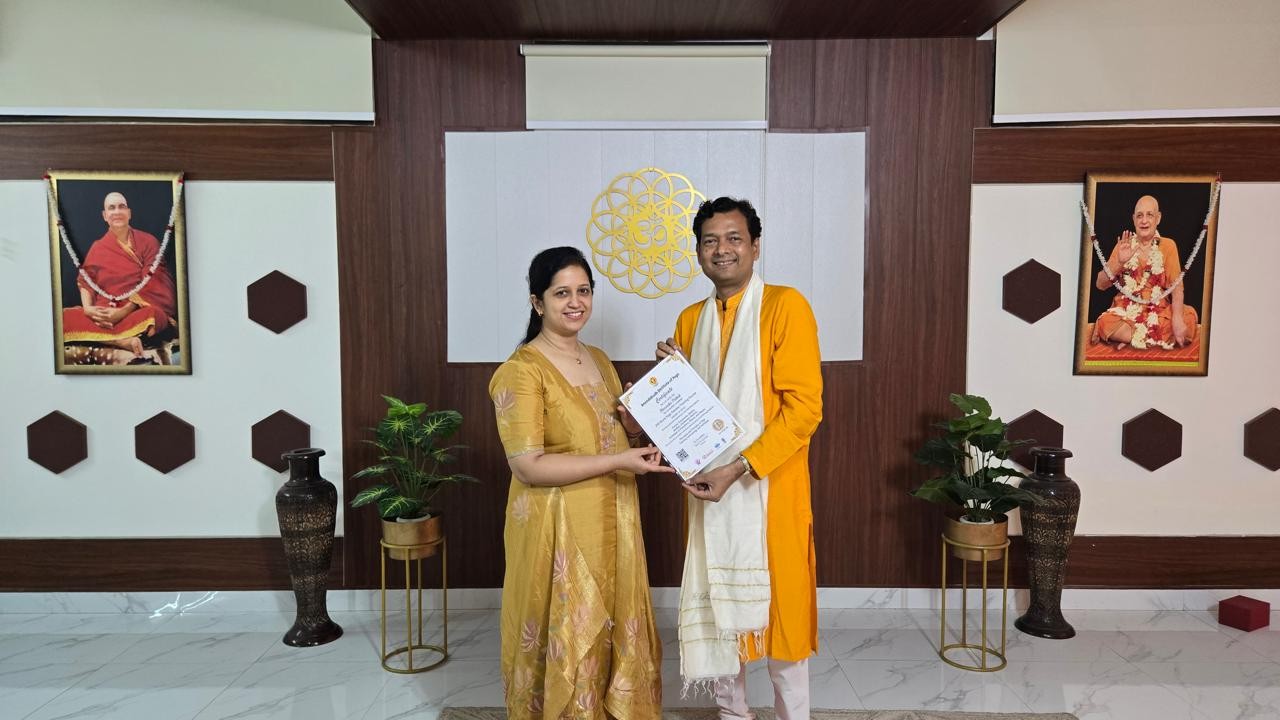
Bhoomika Pathak (Gurgaon)
I completed my 200 Hour Yoga TTC program under the guidance of Master Shivachittam recently. I would like to express my gratitude to sir for putting in so much effort for helping us understand the yoga history, philosophy and methodologies. Each class was a gem as he explained the various aspects of yoga. Coming from a background of energy healing, I had many experiences which i could not explain logically. With the help of Master Shivachittam and various study content from Satyanand tradition I could quench my thirst for knowledge. Through his disciplined way of teaching he also inspires to be the best in this field. If you are looking for genuine yoga knowledge then look no further because he is definitely the best. Hariom.
All the best.
Sandhya Sabharwal (Gurgaon)

Sandhya Sabharwal (Gurgaon)
The 200-hour Teacher Training Course is well-planned and detailed. I appreciated every theory topic we covered, as well as the practical classes. I have learned so much, gaining knowledge not just about yoga but also life-long learnings. This TTC course is very organized, holistic, and highly relevant to our current day-to-day lives. I highly recommend it to anyone seeking certification with authentic knowledge. Thank you so much, sir!
Renu Parihar (Gurgaon)

Renu Parihar (Gurgaon)
I recently completed the 200-hour Yoga Teacher Training Course at Anandabodh Institute of Yoga, and it was truly an incredible experience. Shivachittam Sir is deeply dedicated to teaching, and his extensive knowledge of yoga and related disciplines is remarkable.
Before joining the course, I had a limited understanding of yoga; to me, it was mostly about bending into certain postures or just another form of exercise. However, through this course, I’ve come to understand the true essence of yoga—its philosophy, depth, and how it extends far beyond the physical practice. This training has not only enhanced my knowledge but also transformed my perception of yoga as a holistic and lifelong practice.
I highly recommend this course to anyone serious about learning authentic yoga and deepening their understanding. The experience has been nothing short of life-changing.
Rashmi (Gurgaon)

Rashmi (Gurgaon)
I was beginner in Yoga, I have joined the 200hrs Yoga TTC Course for improving my understanding of Yoga and it's different techniques. I was also quite interested in the overview of the different tools used and how it's applied.
My expectations were met indeed. Both Shivachittam Sir and Rupesh Sir have quite a lot experience and discipline in terms of Yoga knowledge and understanding.
In terms of Yoga asana practices, different variety of asana's were included from intial to advance stages both by Rupesh Sir and Shivachittam sir. For the meditative practices, Shivachittam sir have quite a lot experience, and that is also reflected in the meditative classes, where his calm demeanour and clarity of instructions can be easily felt.
Now, in case of the theory classes, they were quite explicit and course content covers large amount of topics, various philosophical and practical topics were discussed during the theory classes, from history of yoga to its significance in today's life.
In terms of my personal growth, my flexibility and sitting capacity increased in large amount, my ability to relax and clear mind increase highly, while also learning multiple Mantras. I also learned a great deal amount of qualities and where I can improve further through continuous feedback from both teachers from time to time.
Overall the course is quite good in terms of its content and the teaching methods but everyone expectations might be different, so it might be not for everyone. From a beginner's perspective, theory and its practical implementation by both teachers were quite good.
Thank You

Vipin Malik (Gurgaon)
I did a 200 hour Yoga Teacher Training Program from Anandbodha Yoga. My aim of joining the course was to know more about yoga, in it's depth. I didn't know what more to expect.
We had daily sessions rotating alternately between yoga and meditation and extended theory sessions over weekend.
The best part was the course could be done remotely since I do not live in Gurugram.
I am glad I did this course and especially from Anandbodha because the aim of this institute is to make yoga grow and reach every person's life. It's not monetary or commercial. When a noble vision is attached to an initiative, it is bound to be good.
The very first lesson was that you are good wherever you are in your asanas. You do not need to exert too much and feel drained. The key is to be consistent. The way yoga asanas are practiced at Anandbodha is very unique. We practiced asanas for almost an entire hour without feeling drained. The dynamic movements coupled with quick relaxation are quite energizing. You look forward towards next class rather than dreading it.
We not only practiced complete yoga including asanas, pranayamas, mudras, bandhas, yoga nidra, meditation including Antar Mouna and Ajapa Japa, Om Chanting, Maha Mrityunjaya Mantra Chanting but also learnt about all these in details which gives one an insight on what happens when something is performed and empowering you with the ability to frame something exclusively for yourself.
Never knew Yoga has so many components and doing them in several combinations interchangeably never made yoga monotonous.
We also learnt Shatkarma practices including Jal Neti, Kunjal, Shankhprakshalan, Tratak. They sound hard but are not. You only need to practice once. Knowing the techniques and benefits you can help yourself and others in management of various ailments.
We gradually learnt an ideal routine to follow including early sleeping, starting day with mantra chanting, nasyam, oil pulling, sleeping with a quick review of the day. We also learnt about Diet and Nutrition. It might take a little while to get used to it all but you definitely see the difference once you are able to incorporate this in your lifestyle.
The teachings are very extensive, teachers at Anadbodha are very knowledgeable and working for a greater cause. Class timings might fell short but you can't get enough of teachings they incorporate in every class.
I have lot of gratitude for Shivachittam Sir and Rupesh Sir for hosting this great platform where one can learn 'How to Live'. I would recommend this course from Anandbodha to everyone whether one wants to become a yoga teacher or not. We have the potential to achieve so much only if we know how to manage ourselves. This course in my opinion is bound to bring the best in oneself in any field one might be working.
We learn how to manage ourselves very well with this course. We should get this training from childhood but it's never too late. It is fun and not at all boring as it might appear. Within this 4 months period we can intent and aim to be a better version of ourselves. The results vary based on intention, efforts and consistency but results are for sure.
Amaze yourself and Inspire Others with this journey.

Richa Jain, Meerut (U.P.)
I have completed my 200 hours Yoga TTC course from Anandbodh yoga Institute.This course is absolutely amazing, completed in 4 months. The syllabus is designed by knowledgeable and experienced teachers of the Institute.
My life has been fully changed after completing this yoga course. This course influenced my personality on physical, mental, emotional and spiritual level. It is holistic course of yoga .
We can complete this course by offline or online. I have taken online classes for the first time in my life and I have found similar attention on both offline and online mode. We can complete this course from any part of the country or the world.
Teachers are very knowledgeable and experienced. They know the right method of teaching. Each and every concept got cleared by giving examples. I am fully impressed by their teaching methods. There are regular classes which makes our body flexible and active. Meditation is very important part of this syllabus which works on our mind. If mind will healthy and fit then whole body will be functioning properly. It also open and activate psychic channels in our body. Many practices like Shankhprakchhal-an, Jalneti and Kunjal seems very tough but all these practices done very easily because instructions are very clear.
I am feeling very excited because I am working with more knowledge. Right knowledge makes us more aware to do the work.
I am highly thankful to Shivchittam sir and Rupesh sir. Both works with great effort to completing this course. I have practiced holistic yoga which includes Asanas, Pranayam, Mudras,Bandhas, Shatkarma, Relaxation and meditation.
During this course whole day I feel very energetic and active. Mantra chanting is also very important part of this course which is very effective on our mind.
I will suggest everyone to do yoga course from Anandbodh Institute to become knowledgeable yoga teacher. Right knowledge devlope our confidence and personality also. I am hesitating to talk in group but after completing this course all hesitation gone away. Today I am speaking with great confidence.
Thank you

Vibha Ojha (Delhi)
I count myself blessed that I did my Meditation Teacher Training Course from Anandabodh Yoga School. Shivachittam Sir is truly the fountain of knowledge and bliss and every class with him was fascinating and full of value. We learnt the practice and theory of Meditation in the style of prestigious Bihar Yoga/Satyananda Yoga tradition. Personally, I feel more connected to my inner self and to everything around me. Before enrolling in this course, I used to practice meditation as a way to relax myself, to calm myself and feel happy in general. This course made me aware of the truly transforming abilities that Meditation has, how it helps us to connect to our higher power and access the wisdom and strength of this higher power to guide us through life. Yoga and Meditation are indeed a way of life and I had read about this before countless times, this course gave me tools and insights to fully embrace this lifestyle. Right from the moment I wake up to the moment I sleep, and beyond that as well. As a teacher, I feel more confident because of the vast knowledge imparted to me in a very structured and organised way. The course covered the very basic aspect of Meditation to the very advance one. As Meditation Teachers, it is our responsibility to give students what they come seeking - be it Mental peace, improving their focus, overcoming social anxiety, and so on. This course will help you deliver on that. Thank you.

Shraddha Deepak (Gurgaon)
Hari OM
My meditation teacher training course was an incredible and enriching journey.
Shivchintan Sir is a veritable fountain of knowledge. All the lessons and exercises taught by him such as Pranayam, the Chakra studies, Yog Mudra, Antarmaun, Ajapajap, Bandh and other Mudras were explained in minute detail and immense clarity.
He makes the difficult to grasp concepts clear with his detailed reasoning and demonstrations with utmost patience and a rare gift of vision.
I have been practicing Yoga for over 10 years but the past three months have been a unique experience for me due to the teachings imparted by him.
The ability to feel light as well as attaining and maintaining a state of 'Sam bhav' - equanimity in adverse circumstances comes with great toil and determination.
He has however, made me feel fairly adept at entering and remaining in that extraordinary, rewarding state.
I shall forever be grateful and indebted to him for allowing me this great honour and an opportunity to learn under his tutelage.

Anjali Aggarwal (Delhi)
Shivachittam ji, is an excellent teacher in all respects. His words speak of his depth of knowledge and his commitment to the field of Yoga. I did not had to doubt or double check any of his words as inside me I felt he cannot be wrong. It appears to me he lives and breathes yoga which is very evident in his way of teaching and sharing his knowledge. It is very rare that good teachers in the field of yoga are also willing to share their knowledge and experience.
Meditation TTC was a very good experience for me to get an in-depth idea of the meditation techniques and their purposes. In the course we not only touched upon meditation but also pranayama and Bandhas as it contributes significantly to meditation. The course covers practical as well theory lessons. Candidates also conduct meditation sessions without any written script in front of them, which is very helpful and I gained a lot of confidence in my speech and delivery of meditation classes. All in all it was a deep learning experience for me as we touched upon many topics, did in-depth study of chakras. Class session also involve sharing our experiences in meditation which was important to understand the journey forward. A big ThankYou for Shivachittam ji for time and commitment in sharing his knowledge and experience with his students.

Neha Doorwar (London, UK)
| I have been learning and practising yoga, specifically the therapeutic, gentle, Bihar School of Yoga, under Master Shivachittam since my early 30s. Now 54, a mother of 5, I can truly say it is his gentle guidance, his wisdom, and his deep understanding of the body, mind and the psyche that has set me free. Now a poet, writer and activist and always a part time yoga teacher ( I undertook the Yoga teacher training under him), I teach Menopause Yoga, and other forms of therapeutic yoga in one on one or group settings. I can thoroughly vouch for his knowledge and style of teaching; I embraced yoga and yoga embraced me back, and has set me free to create, live in joy and bliss, and I would urge you to experience his classes and teacher trainings too! |

Jhilmil Breckenridge (GOA)
Hari om
Good morning everyone!
Today I am going to share about my Yoga journey. Recently I have completed my Yoga TTC from Anandabodh Institute of Yoga, Gurugram. The founder of the institute is Mr. Shivachittam Sir. He is a very experienced and professional Yoga Teacher. He is a great personality and a true passion for teaching and inspire others. They empower students with an amazing positive attitude. They follow the prestigious Bihar School of Yoga tradition in their teachings. It is a Holistic-integrated school of Yoga.
I learnt Yoga in its wholesome form, not only some Asanas and Pranayama, but a lot of other components of yoga, it's truly a self realization for me. It has totally change my life. I gained a beautiful harmony between head, heart and hand through the practices we learnt during the course.
It's a very amazing journey and a greatful experience with Sir. This is not just a course but it teaches us to be self dependent and how to present ourselves in the professional journey of yoga.
Anandabodh Institute of Yoga has a top class facility related to yoga.
If any of you want to do the teacher training course then this is a highly recommended place to start your yoga journey!

Suman Sharma (Gurgaon)
I did the 200 hours Yoga TTC at Anandabodh, and to say the least, it was a transformative experience. Coming from a corporate background and having done yoga only at gym, I started with a very limited understanding of yoga. What followed were 4 months of understanding yoga in its entirety, consistent practice and finishing with a holistic perspective. At the end of the course, not only did my understanding evolve to a different level but also, there was an upliftment in my lifestyle. All credits to the wonderful teacher who facilitated the training so well. Shivachittam sir is the best person in the field to learn from. His knowledge and wisdom shone throughout the course. I am grateful that I could get guidance from him so early on in my yoga journey.

Charu (Gurgaon)
My experience of the Teacher Training Course with Anandabodh
I was always keen on learning yoga in its purist form. I had followed a certain Yoga group for over ten years and I thought I knew quite a bit. I had even taken Sessions in the past but I knew my knowledge was haphazard and limited.
I feel so blessed to have found Anandabodh school and Shivachitam as the teacher. I came and asked 100s of questions before starting as I was so skeptical about who I will invest my time and money with!
I started after being convinced that I’ve met the right teacher. As the classes began , I started to learn about Yoga as it is! It was beautiful to learn from someone who has profound knowledge of the subject and has been trained from the best insititude.
I’m grateful for what all I’ve learned and I cannot wait to pass my new found learnings with the world.
Highly recommend it to anyone who wants to learn from the best!

Sonia Sharma
Video Testimonial
Stories of transformation.
Real stories from students whose lives changed through consistent practice, awareness and the Anandabodh way of living.
View all testimonials ↗A journey towards better wellbeing
Finding balance through consistent practice
From practice to transformation
Our Distinguished Students
Leaders, athletes and professionals who walk this path with us.

Mr. P Shankar
Ex-Chief Vigilance Commissioner, India

Mr. MS Ramchandran
Ex-Chairman, Indian Oil Corporation

Sardar Milkha Singh
Sports Personnel

Mr. Jeev Milkha Singh
Top Professional Golfer of India

Sardar Rajinder Singh Bhatti
Former DG, CISF & Former DGP, Bihar Police
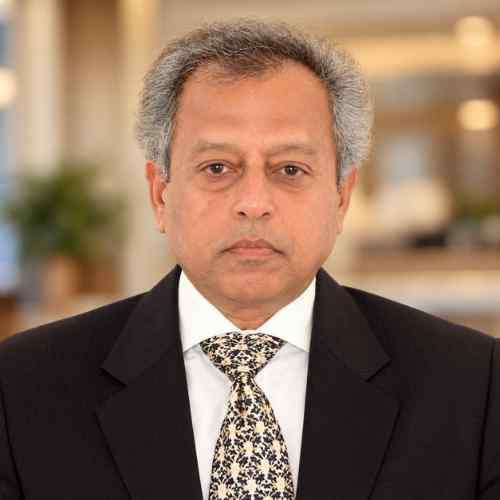
Mr. Anil Bhalla
Founder & Chairman, Vatika Group

Mr. Sri Rajan
Ex-Chairman, Bain & Company India

Actress Sonam Kapoor
In the Movie Aisha

Ms. Lakshmi Singh Puri
Former Assistant Secretary-General, United Nations

Mr. C. K. Birla
Chairman, C. K. Birla Group
Mr. Manish Upadhyay
Managing Director & Head of Growth - BFSI , UKI at NTT DATA, Inc.
Brands we have empowered





Ready to take the next step in your yoga journey?
Deepen your practice, expand your understanding, and take your next step towards becoming a confident and conscious teacher.
Enquire Now
Have a question or want to know more? Send us your details and our team will get in touch with you.